
Tactical Formation Training and Positioning Strategies
Explore proven tactical formations and positional training methods that enhance team coordination, defensive stability, and attacking effectiveness during competitive matches.
Understanding Tactical Formations
Tactical formations represent the foundational structure of how a team organizes itself on the pitch. These formations dictate player positioning, responsibilities, and movement patterns throughout a match. Understanding formations is essential for coaches and players aiming to develop cohesive team strategies and improve overall game performance.
The formation nomenclature (such as 4-3-3, 4-2-3-1, or 5-3-2) indicates the number of defenders, midfielders, and forwards arranged from back to front. Each formation presents distinct advantages and challenges, requiring teams to adapt their training methods accordingly.
A well-executed formation provides multiple benefits: it creates defensive stability by organizing the backline, establishes midfield control through proper spacing, and facilitates attacking transitions by positioning forwards strategically. The effectiveness of any formation depends on the quality of player positioning, communication, and synchronized movement.

4-3-3 Formation
A balanced approach providing defensive security with four defenders, midfield control with three midfielders, and attacking width with three forwards. This formation suits teams with versatile players and emphasizes possession-based football.
4-2-3-1 Formation
Offers defensive solidity through two defensive midfielders while maintaining creative options with three attacking midfielders and a single striker. Ideal for teams seeking defensive stability without sacrificing attacking potential.
5-3-2 Formation
Provides exceptional defensive protection with five defenders, suitable for defensive-minded teams or situations requiring increased stability. The wing-backs offer attacking contributions while maintaining defensive coverage.
Positional Responsibilities and Player Roles
Each position within a tactical formation carries specific responsibilities that contribute to team cohesion and strategic objectives. Players must understand not only their primary duties but also how to support teammates and adapt to game situations.
Defenders are responsible for preventing opposition attacks, maintaining defensive shape, and initiating attacking transitions through accurate distribution. Midfielders serve as the link between defense and attack, controlling tempo, providing protection, and creating attacking opportunities. Forwards focus on finishing chances, pressing opposition defenders, and creating space for teammates through intelligent movement.
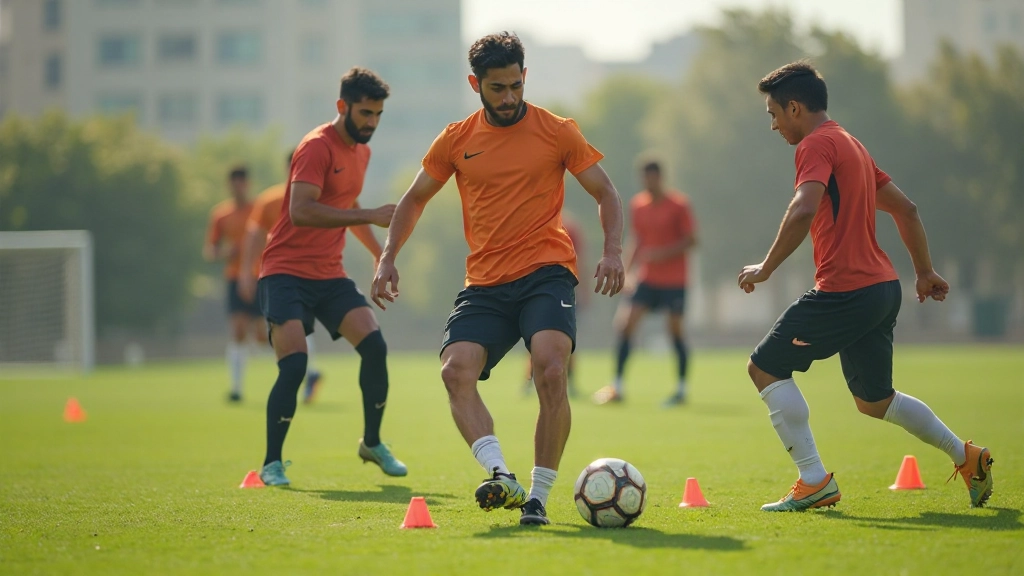
Understanding positional responsibilities extends beyond individual duties. Players must recognize how their actions influence teammates' positioning and movement. A full-back pressing high up the pitch affects midfield positioning and defensive depth, while a striker holding possession influences how the midfield supports attacking play.
Defensive Shape Maintenance
Defenders must maintain compact spacing to prevent opposition penetration, typically positioning 8-12 meters apart depending on tactical requirements and opposition positioning.
Midfield Pressing Triggers
Midfielders must recognize when to press opposition midfielders and when to drop deeper for defensive support, maintaining balance between attacking and defensive priorities.
Forward Movement Patterns
Forwards should recognize positioning opportunities to receive the ball in advanced areas while remaining alert to defensive responsibilities when opposition possession is regained.
Transition Management
Players must understand their transition responsibilities during possession changes, shifting from attacking to defensive positioning or vice versa within seconds.
Educational Information Disclaimer
This content provides educational information about tactical formations and positional training strategies in football. The information presented is intended for informational purposes to support player development and coaching education. Individual results from implementing these strategies may vary based on player ability, team composition, coaching expertise, and competitive level. Implementation of tactical strategies should be conducted under qualified coaching supervision. Football training involves physical activity and inherent risks; proper instruction, appropriate facilities, and adequate supervision are essential.
Training Methods and Tactical Drill Structures
Effective tactical training requires structured approaches that develop player positioning awareness, decision-making under pressure, and coordinated team movement. Training progressions should begin with simplified scenarios before advancing to complex game-realistic situations.
Progressive training drills allow players to focus on specific tactical elements before introducing game complexity. Starting with static positioning exercises, progressing to movement patterns, and finally incorporating opposition pressure creates a logical learning progression that builds confidence and technical competency.
Positional Awareness Drills
Players practice maintaining formation shape without opposition pressure, learning spacing distances and movement principles specific to their formation. These foundational drills establish positioning fundamentals.
Transition-Based Exercises
Drills focusing on rapid shifting between offensive and defensive positioning develop player responsiveness to possession changes and improve team defensive organization following turnover situations.
Game-Realistic Scenarios
Small-sided games and positional play drills introduce opposition pressure in controlled environments, allowing players to apply tactical principles while developing decision-making and problem-solving capabilities.
Video Analysis Sessions
Reviewing video footage of team performances and opposition strategies provides visual learning opportunities, helping players understand tactical concepts and identify areas requiring adjustment.
Defensive Organization and Team Pressing Strategies
Defensive organization forms the foundation of effective tactical formations. Teams must develop coordinated defensive approaches that minimize scoring opportunities while maintaining structural integrity during opposition attacks.
Team pressing strategies represent proactive defensive approaches where players collectively press opposition players earlier on the pitch rather than retreating deeper into their defensive third. Effective pressing requires coordinated timing, organized spacing, and clear trigger recognition to prevent opposition penetration through the midfield.
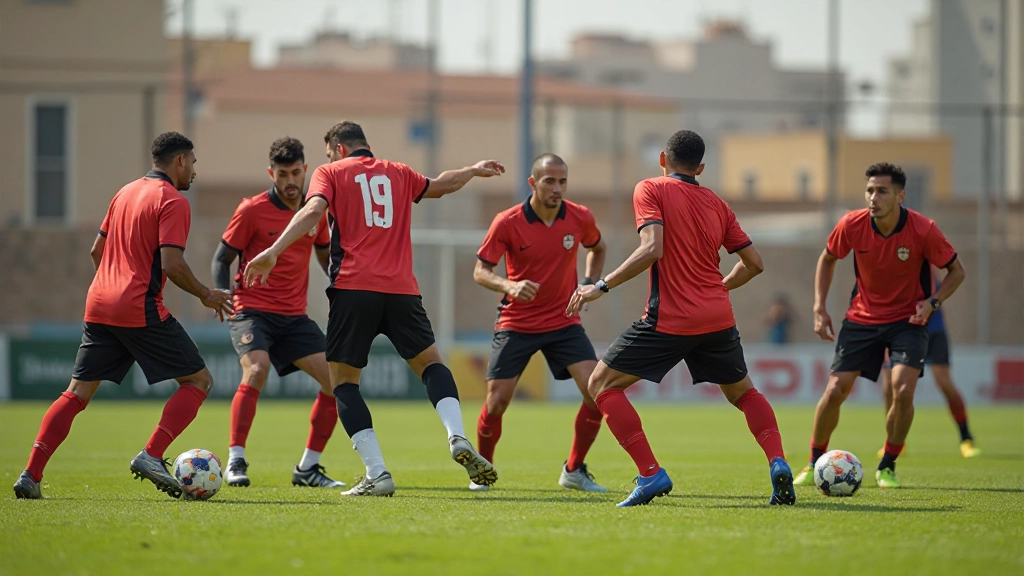
Defensive shape maintenance involves players understanding their positioning relative to the ball and teammates. Compact defensive organization prevents opposition players from receiving the ball in dangerous positions while creating turnovers in less critical areas. As the ball moves across the pitch, the entire defensive unit should shift and adjust positioning accordingly.
1
Establish clear pressing triggers that identify when and where
team pressing initiates, ensuring coordinated pressure rather
than individual player decisions.
2
Develop compactness principles where defenders remain
positioned 8-12 meters apart, preventing opposition
penetration through interior spaces.
3
Practice coordinated shifting movements where the entire
defensive unit moves laterally or forward together,
maintaining structural integrity.
4
Implement defensive cover principles ensuring players position
themselves to provide defensive support to pressing teammates,
reducing one-versus-one situations.
5
Develop goalkeeper integration into defensive organization,
with the goalkeeper acting as an additional defender for
through-ball prevention and offside trap management.
Explore Related Articles

