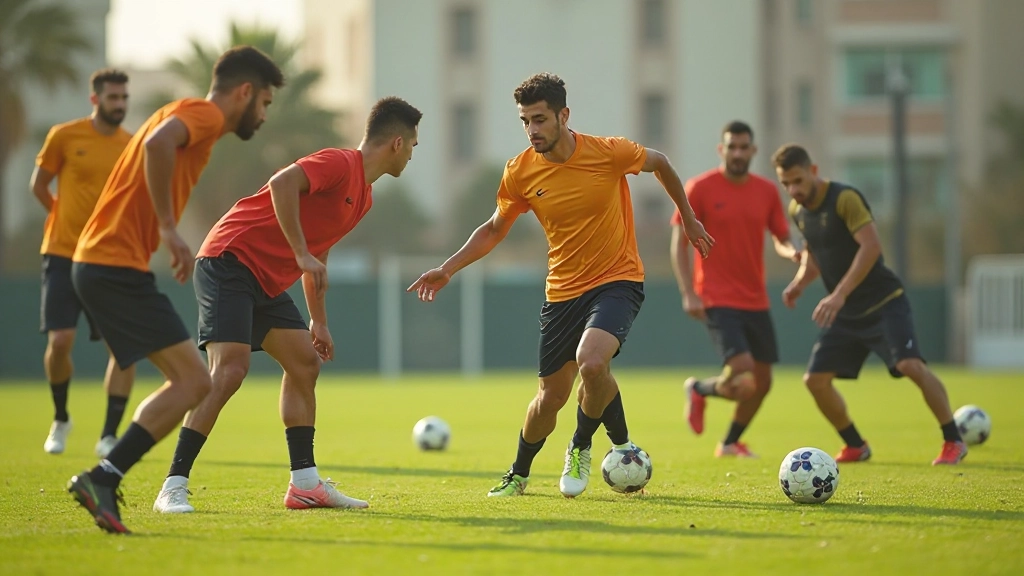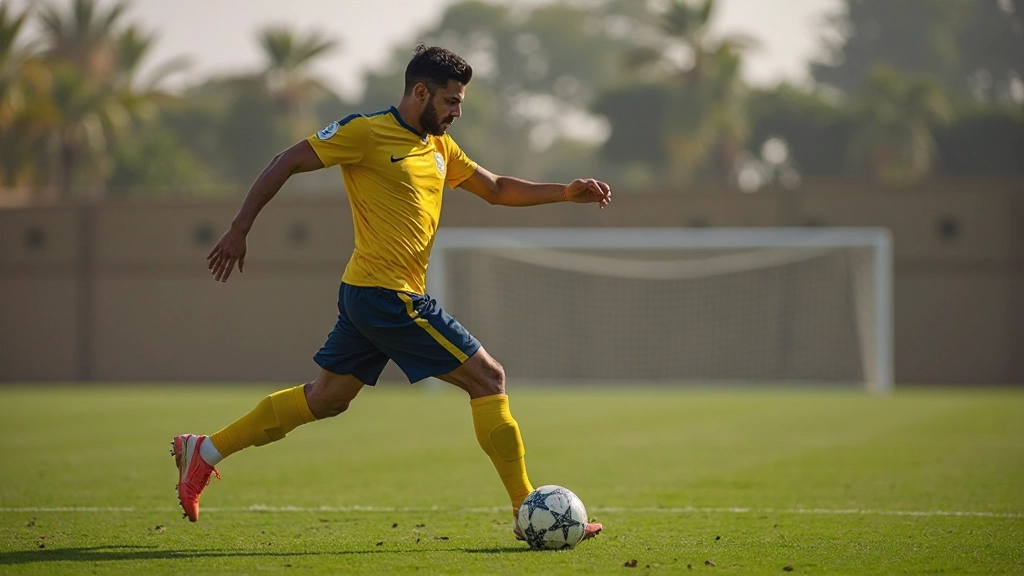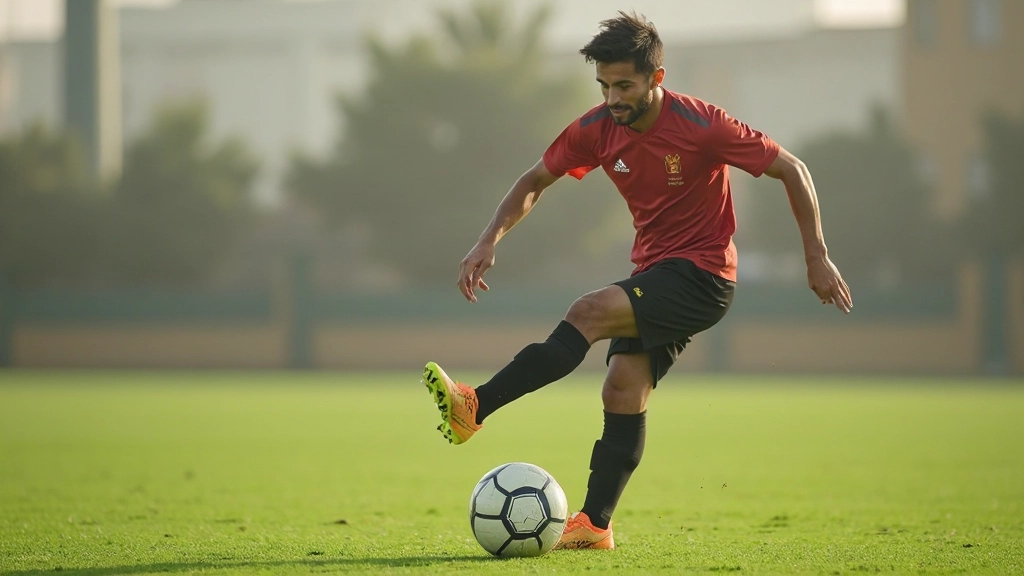
Essential Ball Control Drills for Skill Development
Learn fundamental ball control exercises that improve touch, dribbling precision, and first-touch consistency through structured conditioning drills and repetitive practice methods.
Read MoreDiscover comprehensive conditioning exercises and agility drills designed to enhance your speed, reaction time, and athletic explosiveness on the football pitch. This guide explores evidence-based training methods that professional athletes use to develop elite-level performance.
Speed and agility represent two distinct but complementary athletic qualities essential for modern football performance. Speed refers to the ability to cover distance quickly in a straight line, while agility involves the capacity to change direction rapidly while maintaining control and balance. Both components contribute significantly to a player's effectiveness during match situations.
The development of these qualities involves training the neuromuscular system—the coordination between your nervous system and muscles—to produce powerful movements with precise timing. Research in sports science demonstrates that dedicated training can produce measurable improvements in acceleration, maximum velocity, and directional change efficiency within 4-8 weeks of consistent practice.
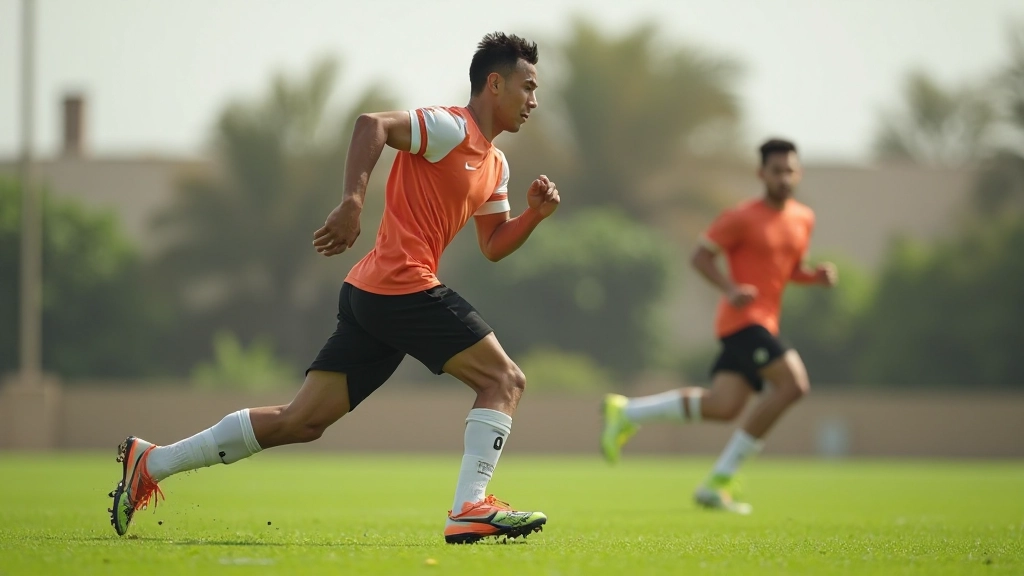
Effective speed and agility development requires a systematic approach combining different training methodologies. The following exercises represent commonly used conditioning methods in professional football training programs.
Linear sprint training focuses on developing maximum speed in straight-line movements. These progressions typically begin with shorter distances (10-20 meters) at submaximal intensity, gradually increasing to full-effort sprints over 30-40 meters. The key principle involves allowing complete recovery between repetitions to maintain quality of movement and neuromuscular output.
A typical linear sprint session might include 6-8 repetitions of 30-meter sprints with 2-3 minutes recovery between each sprint. Proper technique emphasizes driving through the legs, maintaining an appropriate forward lean during acceleration, and achieving high knee lift during maximum velocity phases.
Agility ladders (flat ladder equipment with regularly spaced rungs) develop foot speed, coordination, and rhythm. These tools allow athletes to perform various footwork patterns in a controlled manner. Common patterns include single-leg hops, lateral shuffles, forward and backward movements, and combination patterns.
Typical ladder work involves 4-6 different patterns performed for 20-30 seconds each, with walking recovery between patterns. The focus remains on maintaining quick foot placement and controlled movements rather than maximum speed, as the objective centers on neuromuscular coordination development.
Cone drills replicate the directional demands of football match situations. Athletes sprint between cones arranged in various patterns—such as T-shaped, figure-eight, or shuttle configurations—requiring rapid deceleration, plant-and-cut movements, and reacceleration in different directions.
These drills develop agility while maintaining sport-specific movement patterns. A session typically includes 5-6 repetitions of each pattern with adequate recovery. Emphasis focuses on maintaining low body position during direction changes, using appropriate foot placement, and controlling momentum transitions.
Structuring speed and agility training within a comprehensive football program requires understanding how these sessions interact with other training components. The following principles guide effective programming.
Speed and agility sessions should occur 2-3 times per week with at least 48 hours between sessions to allow adequate nervous system recovery. Quality of movement takes priority over quantity, making session frequency less important than movement quality.
Complete recovery between repetitions ensures consistent performance quality. Sprint sessions typically require 2-3 minutes between maximum-effort efforts. Insufficient recovery leads to fatigue-induced movement degradation and reduced training effectiveness.
Gradual increases in training demands promote continued adaptation. Progressions might include increasing sprint distance, adding complexity to agility patterns, reducing recovery time, or combining multiple movement qualities in single exercises.
Maintaining proper technique remains paramount. When movement quality deteriorates due to fatigue, training should conclude regardless of planned volume. Poor-quality repetitions ingrain inefficient movement patterns that hinder performance.
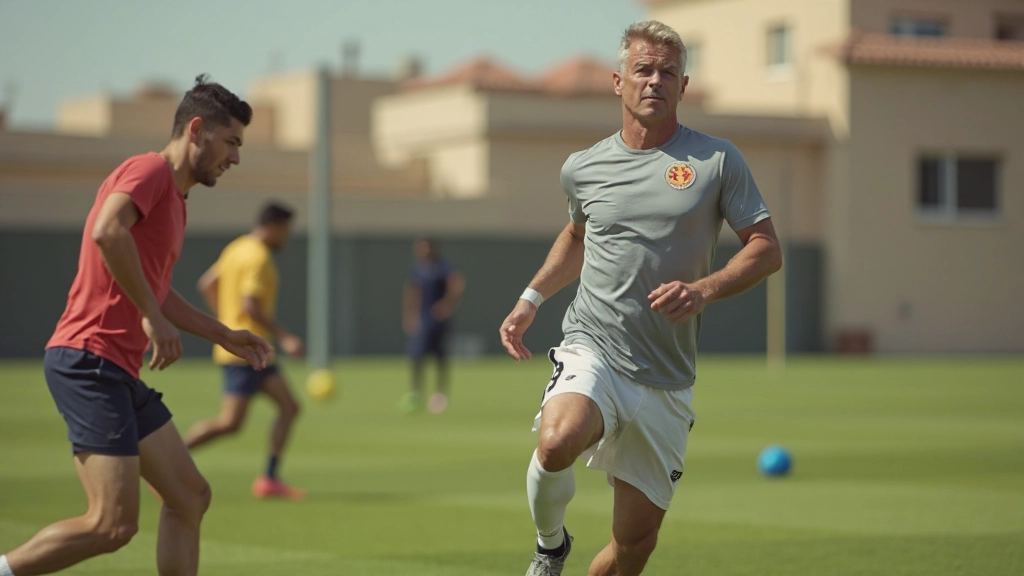
The ultimate objective of speed and agility training involves improving performance during actual football matches. Research indicates that deliberate, sport-specific training transfers more effectively to match situations than generic conditioning work.
Football requires speed and agility in various contexts: straight-line sprints toward goal, lateral movements to mark opponents, rapid deceleration before striking the ball, and explosive changes of direction under game conditions. Training should incorporate these varied demands rather than emphasizing single movement patterns exclusively.
Training load management plays a critical role in maintaining speed and agility during competitive seasons. Players require sufficient recovery between matches and training sessions to preserve the neuromuscular capacity necessary for high-speed movements. Overtraining without adequate recovery typically results in decreased performance rather than continued improvement.
This content provides educational information regarding speed and agility training methodologies in football. The exercises, principles, and training approaches described represent common conditioning methods used in football coaching. This information does not constitute professional coaching advice or medical guidance.
Individual responses to training vary based on age, fitness level, experience, and health status. Before beginning any new training program, particularly high-intensity speed work, individuals should consider consulting with qualified football coaches, strength and conditioning professionals, or medical practitioners who understand their specific circumstances and health status.